

Published: 04.12.2025
ESCS has been reinforcing its commitment to sustainability and environmental regeneration, demonstrating that it is possible to combine science, education, and community participation in innovative ecological preservation projects.
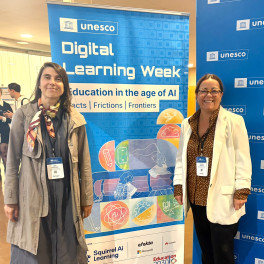
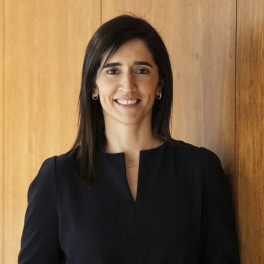
Cláudia Silvestre, coordinator of the ESCS Eco-Schools Council, recently highlighted this work in IntelCities magazine #20 – From Green to Living Light, emphasizing the importance of addressing climate change in cities, where pollution, soil degradation, and the accelerated loss of biodiversity pose critical challenges. 'Taking action is imperative, but it is equally essential to teach and educate,' she stated.
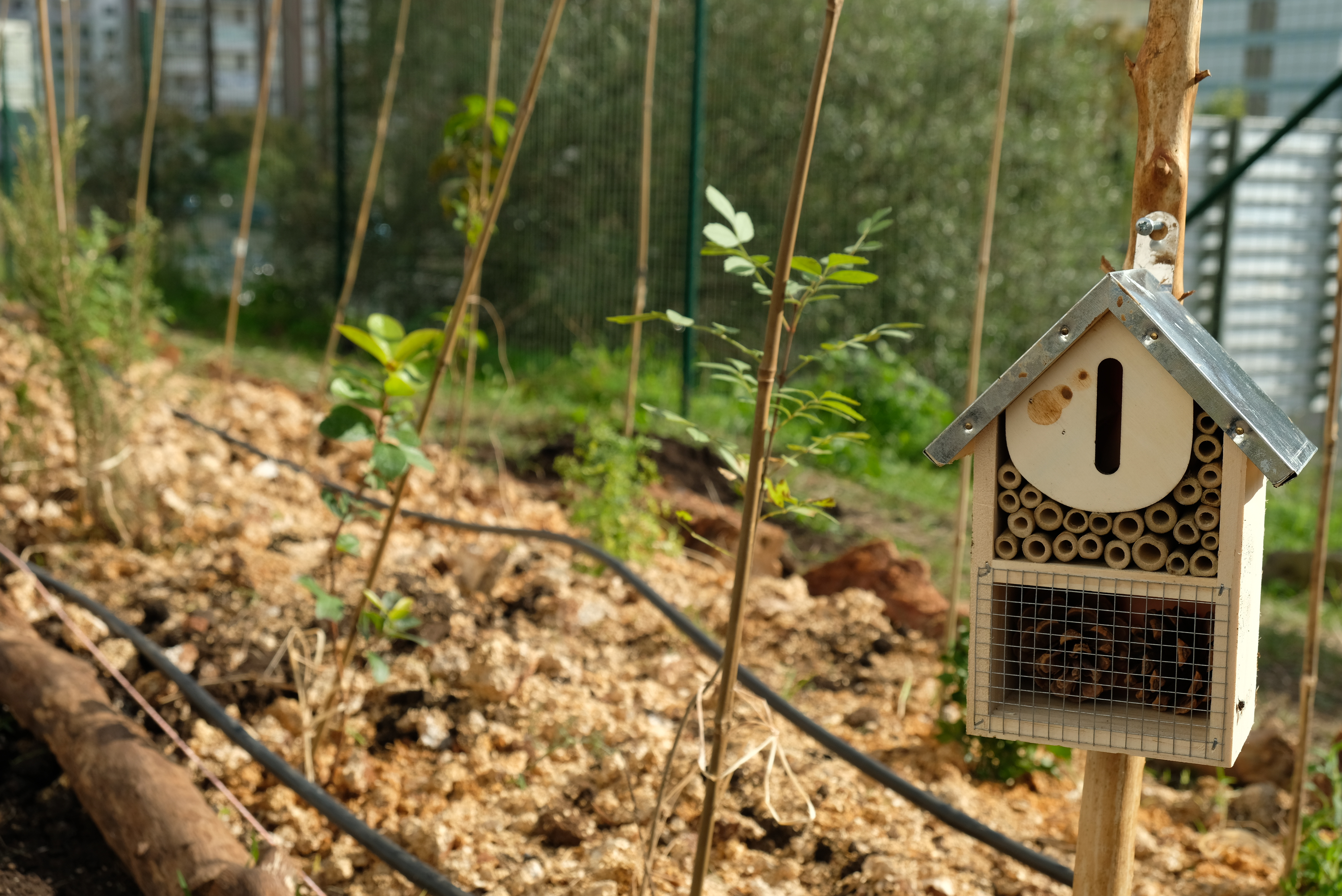
In this context, ESCS, under the guidance of Vitor Gordo, has adopted the Miyawaki method of urban reforestation, developed by the Japanese botanist Akira Miyawaki. This technique promotes the creation of dense and diverse microforests, planted with multiple native species that grow rapidly, becoming self-sustaining within three to four years, and providing significant environmental and social benefits.
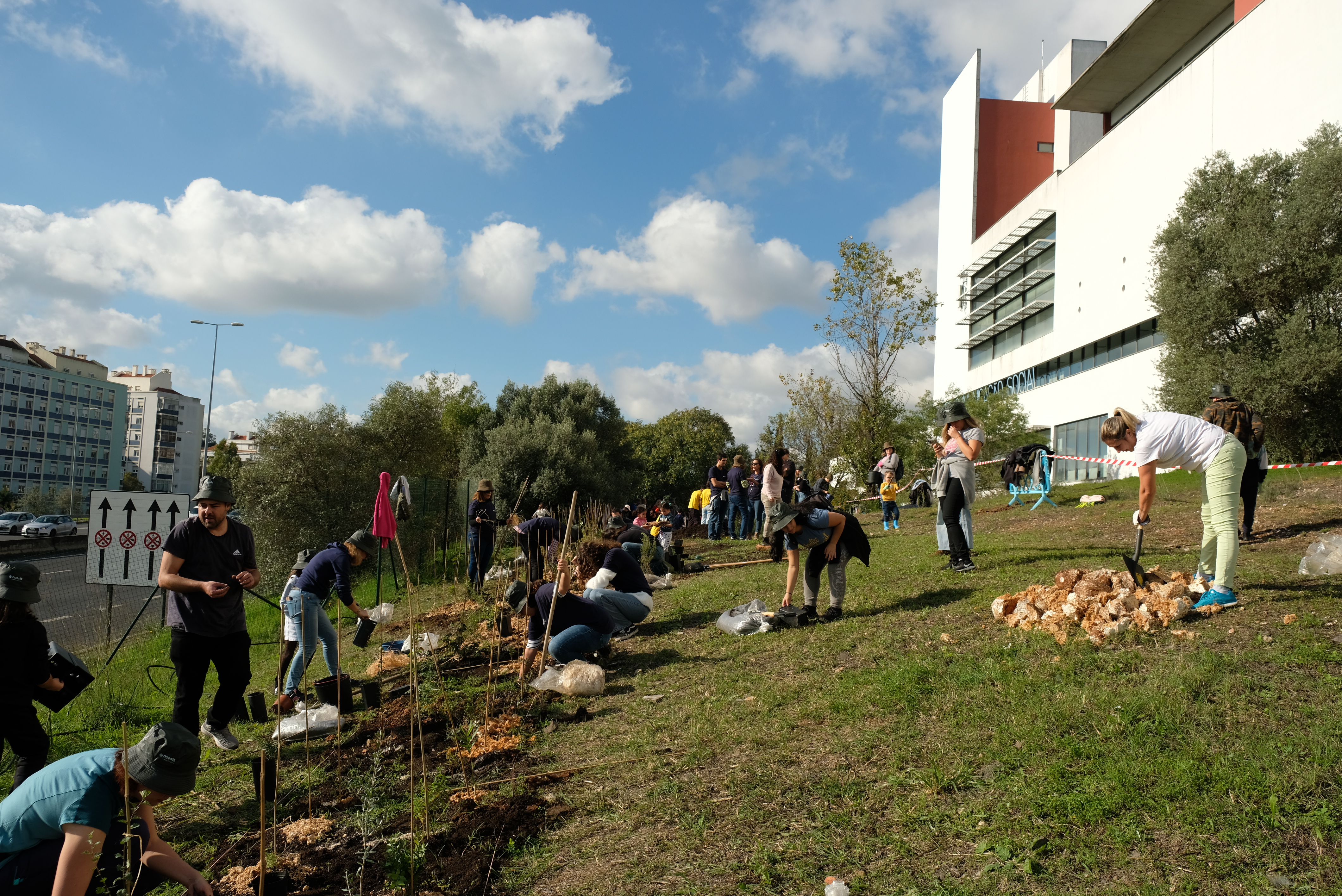
Among the positive impacts of microforests are the improvement of air quality, the mitigation of the urban heat island effect, the increase of urban biodiversity, and the natural management of rainwater. Additionally, these areas function as living laboratories for environmental education, engaging the community and promoting values such as cooperation, responsibility, and a sense of belonging to the territory.
The project was coordinated by Alexandra David, then head of Eco-Schools, and involved the collaboration of the technology company Noesis, the association Ilhas da Biodiversidade, and the Junta de Freguesia de Benfica through the Green Participatory Budget. 'Integrating these biodiversity niches into urban development plans is an investment in a healthier and more resilient future,' adds Cláudia Silvestre.
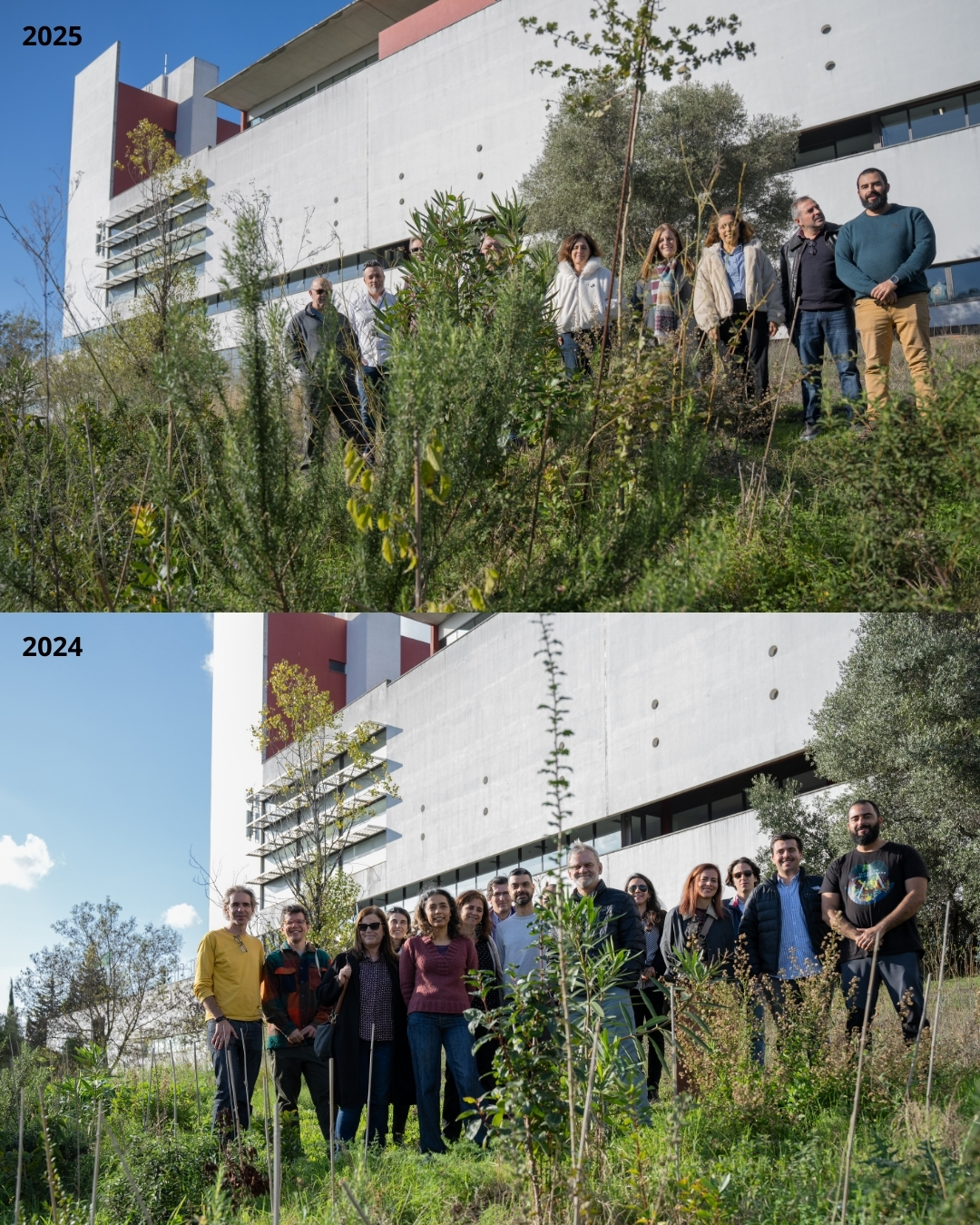
More than just green patches, ESCS’s urban microforests represent seeds of change, proving that environmental regeneration is a collective, educational, and inspiring process, where science, technology, and citizenship go hand in hand.
Learn more about Ilhas da Biodiversidade on Instagram: https://www.instagram.com/ilhas_de_biodiversidade/
Text authored by the Communication Service (Gabcom) with the support of Professor Cláudia Silvestre and edited by the Communication Service (Gabcom).
Photographs kindly provided by Professor Cláudia Silvestre.