

Published: 19.06.2026
In the second semester of the 2025/2026 academic year, third-year students of the Bachelor’s Degree in Public Relations and Corporate Communication (RPCE) had the opportunity to take part in the pilot edition of the course in Risk Communication, Community Engagement and Infodemic Management (RCCE-IM), developing skills in a central area of public health emergency response.
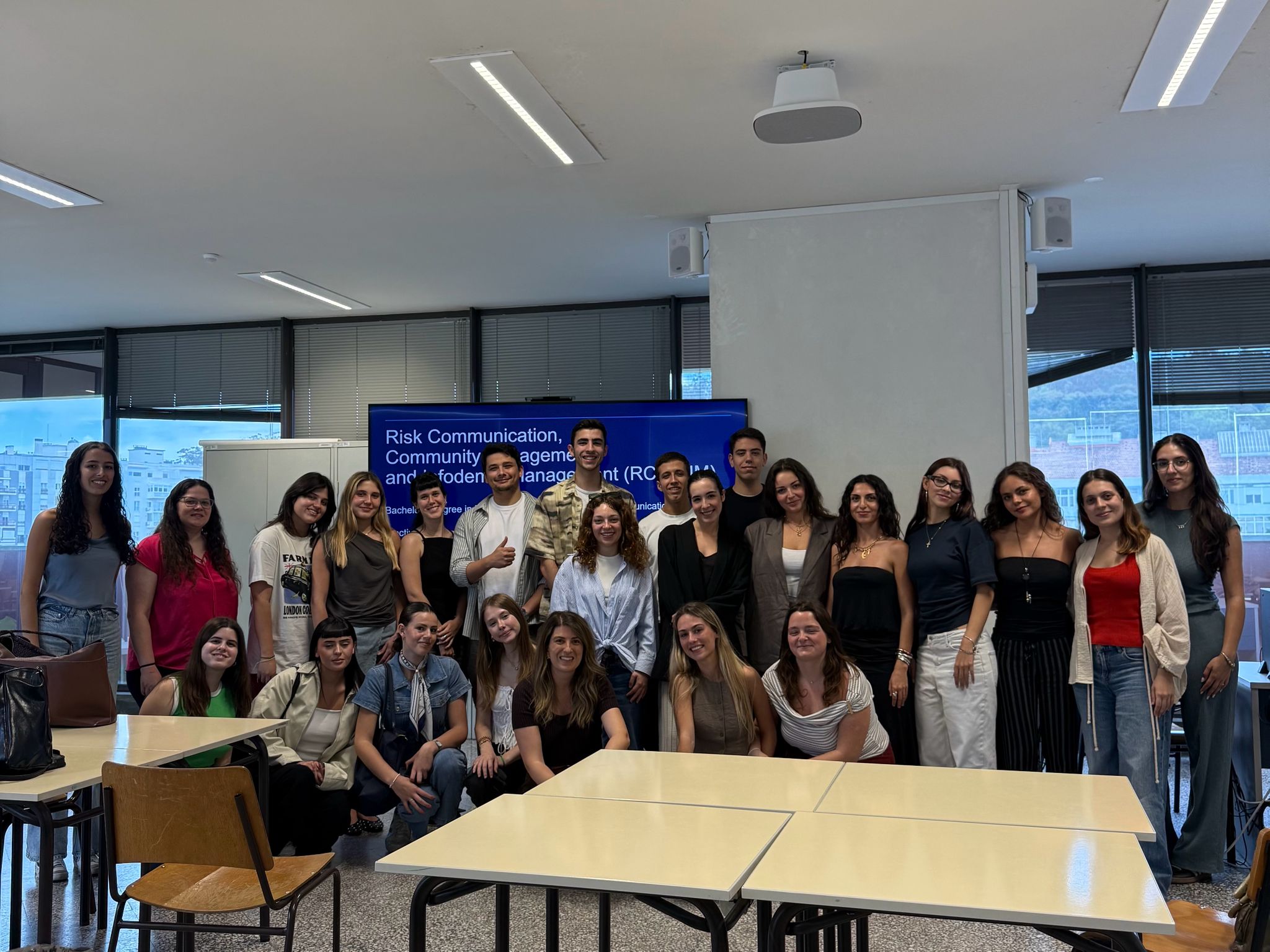
This elective course results from a partnership between ESCS and the World Health Organization Regional Office for Europe (WHO/Europe), aimed at preparing communication professionals to work in multidisciplinary teams, in a context marked by misinformation and disinformation, where emergency situations have become recurrent.
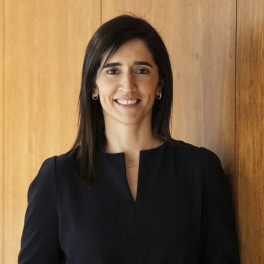
“Preparing future communication professionals for disaster and emergency situations is a pressing challenge for Public Relations education. Recent emergencies, including pandemics, the climate crisis and humanitarian crises, show that failures in risk communication can put people’s lives at risk,” says Professor Tatiana Nunes.
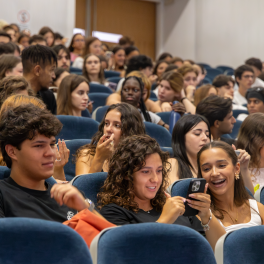
Throughout the semester, students worked on topics such as risk communication, community engagement, social listening, audience segmentation, message creation and testing, rumour management, and response to misinformation and disinformation. Classes were centred on active methodologies, including simulations, case studies, role-play, problem-solving exercises and group work.
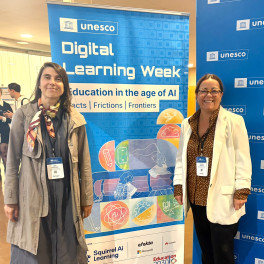
The course was coordinated and taught by Professor Tatiana Nunes, in collaboration with Dr Nancy Claxton, a specialist from WHO/Europe. It also included the participation of representatives from WHO and the Portuguese Directorate-General of Health, namely Dr Gisela Leiras, coordinator of the Working Group on Behavioural Sciences, Health Communication and Community Engagement (GT-3C), enabling students to engage with real-life contexts of emergency and public communication.
As a final project, students developed response plans for emergency situations, applied to risk scenarios relevant to the Portuguese context, including dengue outbreaks, food contamination, heatwaves and drought, rural fires, and conflict situations.
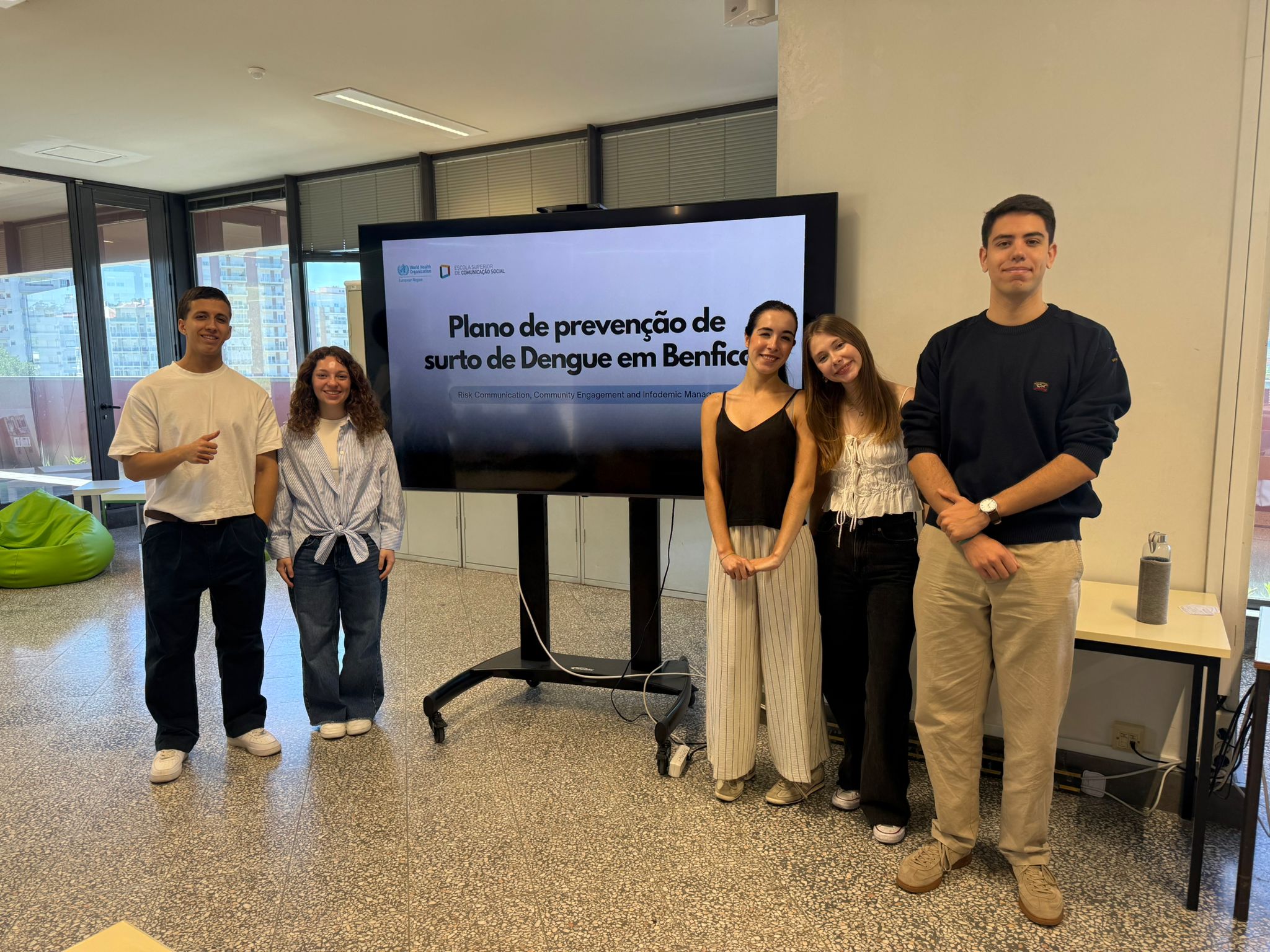
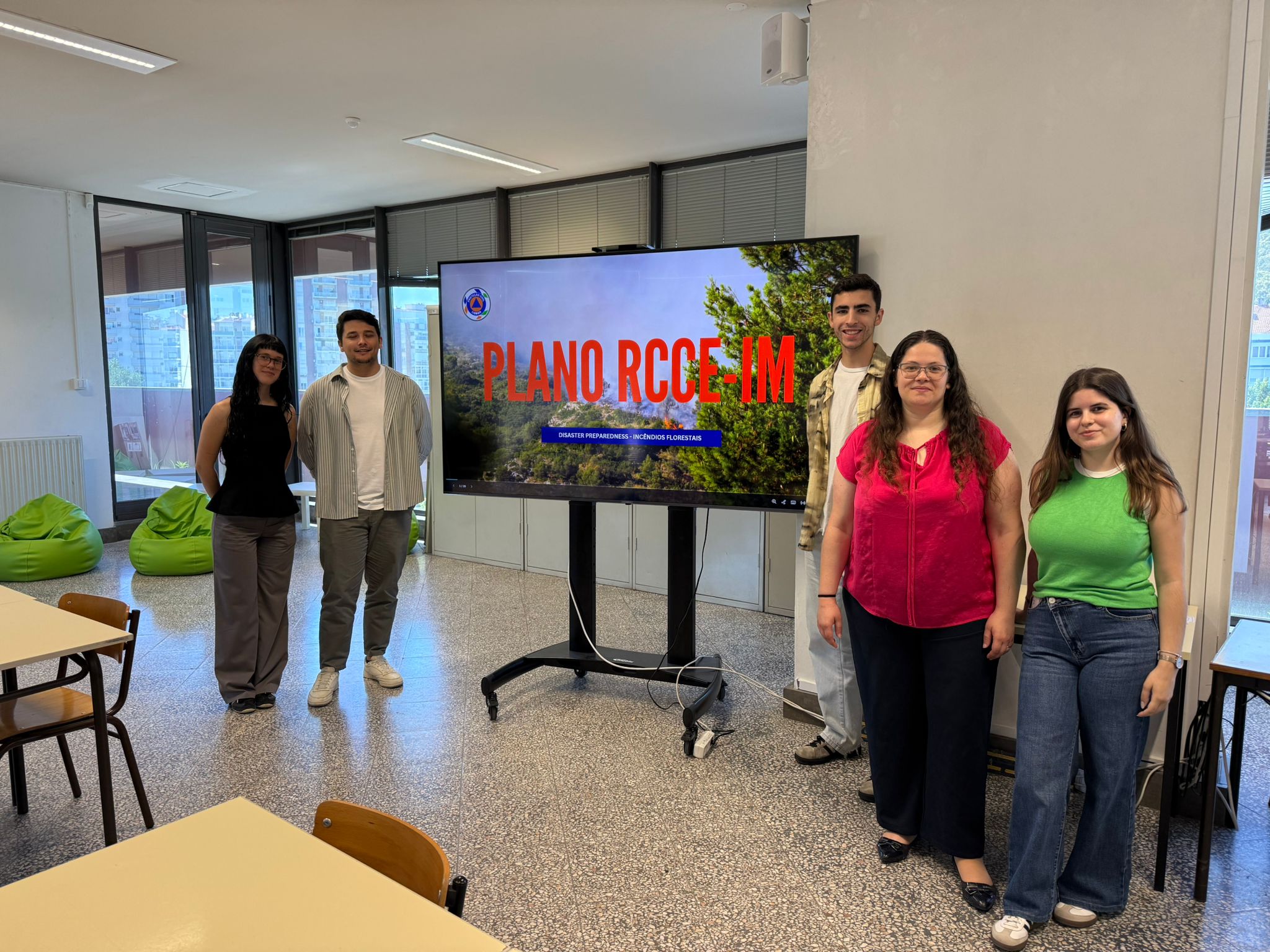
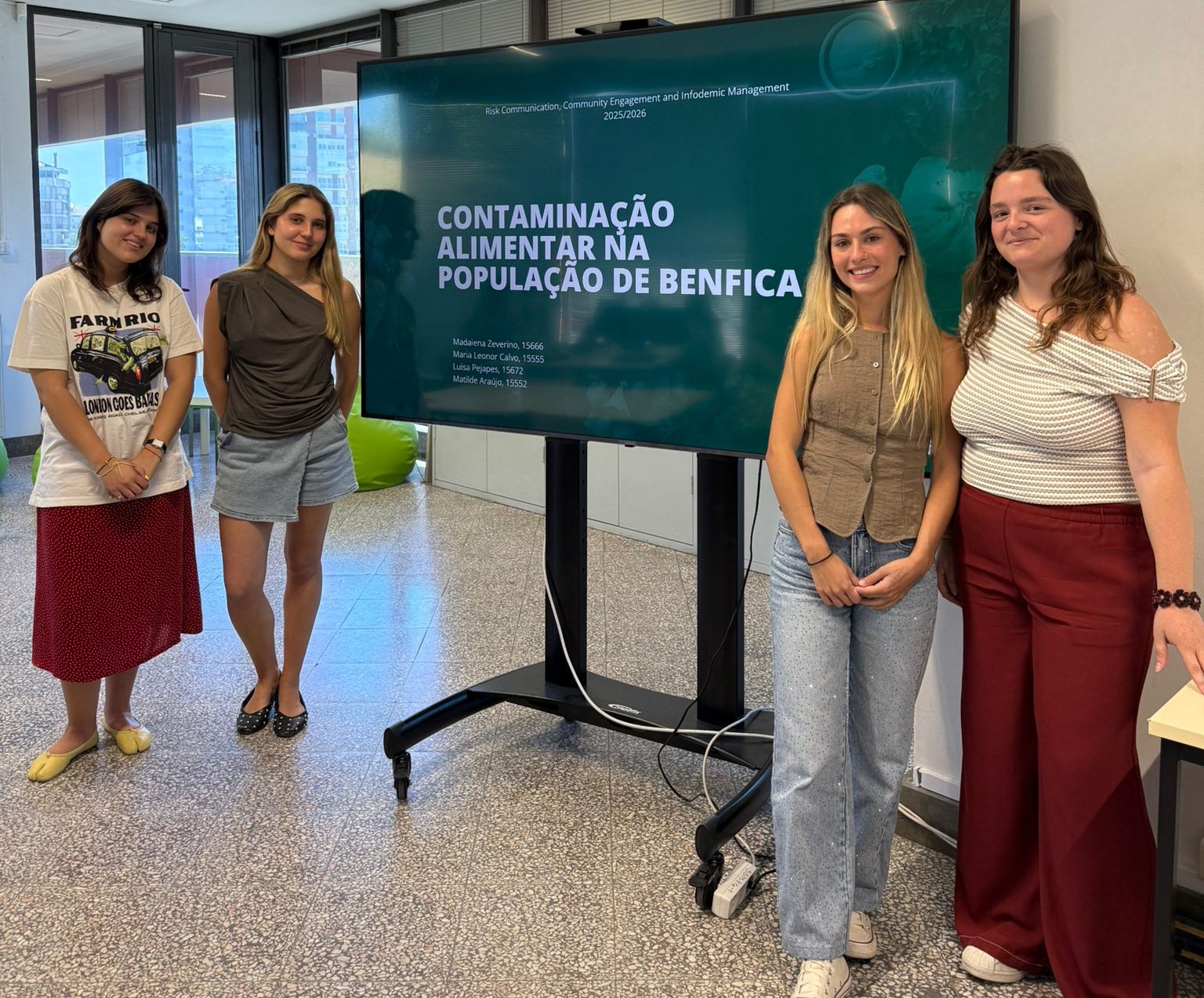
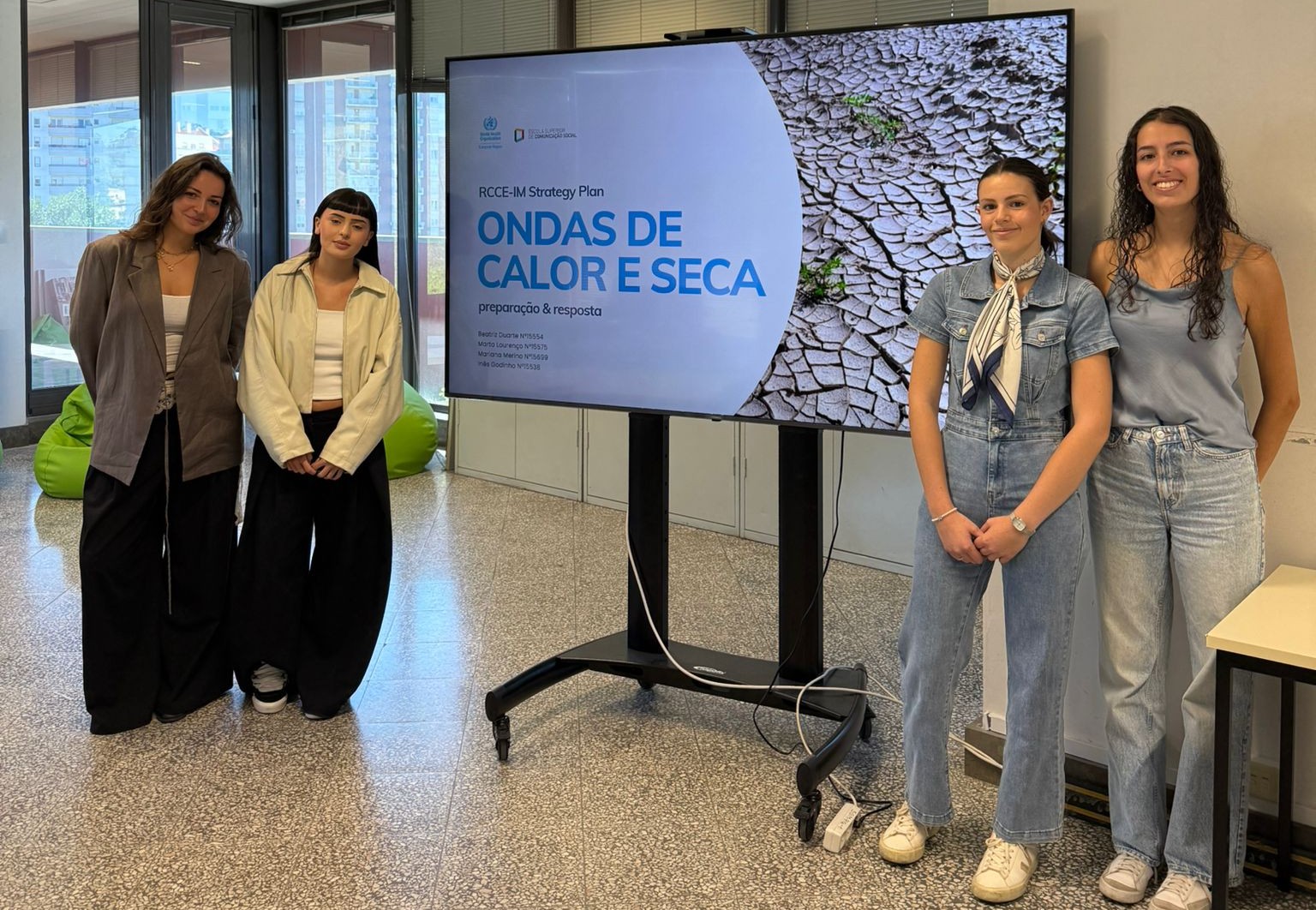
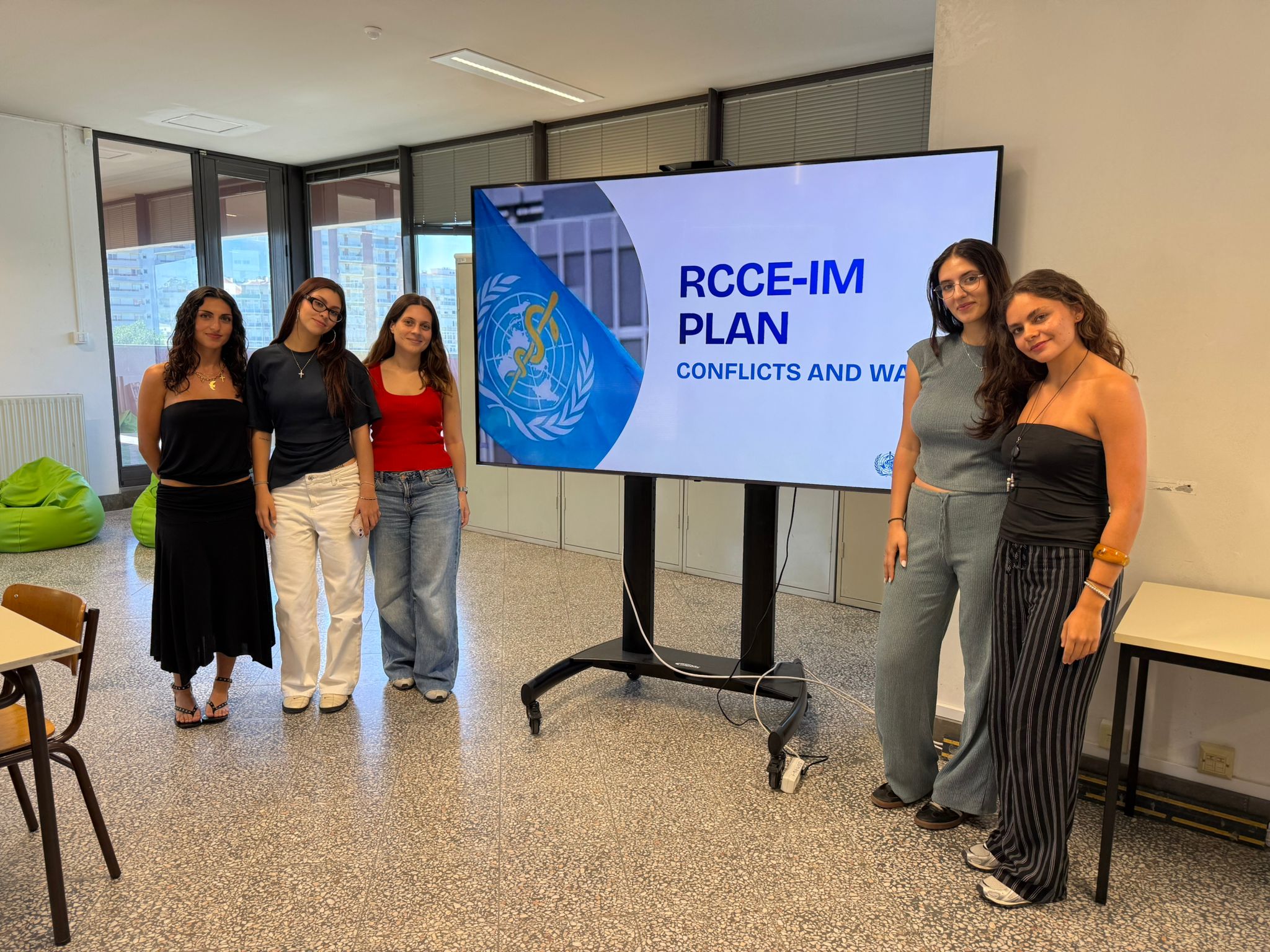
The pilot edition also stood out for its use of WHO tools, such as CapMap — the Capability Mapping Tool, a self-assessment instrument for RCCE-IM capacities — and the Pocket Plan Creator, used as a model to structure the intervention plans developed by the students.
With this initiative, ESCS strengthens its commitment to training communication professionals prepared to intervene in complex emergency contexts, marked by uncertainty, crisis and misinformation and disinformation.
Following the implementation of this pilot course unit, WHO and ESCS are working together on the evaluation and preparation of the model’s replicability, which will enable other higher education institutions to include RCCE-IM in their study plans, equipping students and communication professionals with skills in this specific area of emergency response.
As part of the partnership between ESCS and WHO, the first WHO-promoted pilot course in RCCE-IM for Communication students and professionals was developed in October 2024, with further joint initiatives between the two institutions currently being planned for the coming months.
Text and Photographs by Professor Tatiana Nunes